

Strikes on Iran renew fears over Strait of Hormuz
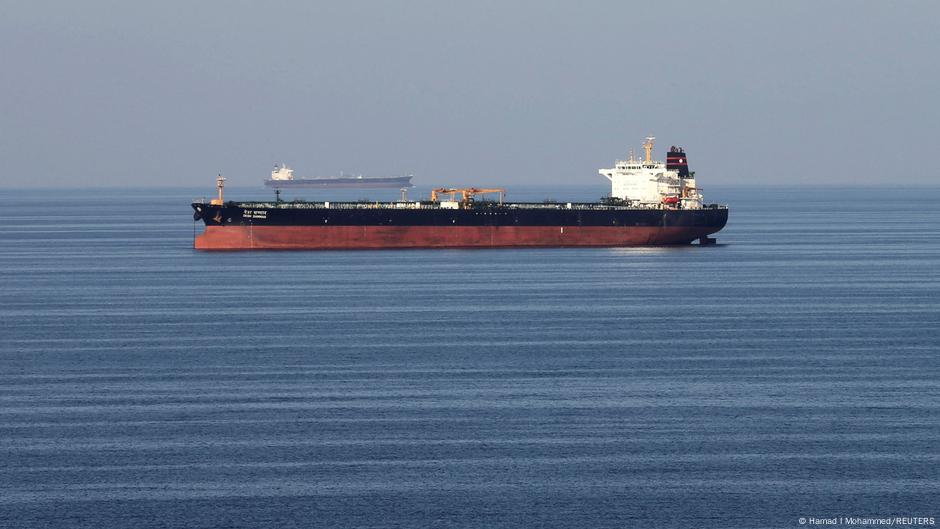
The United States and Israel launched an attack on Iran on Saturday (February 28), an escalation that could lead to the closure of the Strait of Hormuz, a major oil shipping route at the mouth of the Persian Gulf.
Iran has repeatedly threatened to close the strait, signalling that it can disrupt the vital maritime artery that carries a fifth of the world’s oil consumption.
If Iran were to follow through on its threat, oil prices could rise sharply, which would deal a massive blow to the global economy. In February, oil prices rose to their highest levels in months as traders worried about the consequences of US military strikes on Iran.
Why does the Strait of Hormuz matter?
The Strait of Hormuz is a key waterway that lies between Oman and Iran, and connects the Persian Gulf with the Gulf of Oman and the Arabian Sea.
The US Energy Information Administration (EIA) describes it as the “world’s most important oil transit chokepoint.”
At its narrowest point, the waterway is just 33 kilometers (21 miles) wide, with the shipping lane just 2 miles wide in either direction, making it crowded and perilous.
Large volumes of crude extracted by OPEC countries like Saudi Arabia, the United Arab Emirates, Kuwait and Iraq from oil fields across the Persian Gulf region and consumed globally flow through the strait.
Around 20 million barrels of crude, condensate and fuels are estimated to flow via the waterway daily, according to data from Vortexa, an energy and freight market consultant.
Qatar, one of the world’s largest producers of liquefied natural gas (LNG), relies heavily on the strait to ship its LNG exports.
Any lasting blockade or disruptions to oil flows could trigger a sharp spike in crude prices and hit energy importers hard, particularly in Asia.
Strait of Hormuz in focus during past tensions
The waterway was also in the spotlight during last year’s conflict between Israel and Iran.
During the 12-day war in June, however, there weren’t any major attacks on commercial shipping in the region.
But shipowners were wary of using the waterway, and some vessels tightened security while others canceled routes there during the conflict.
Electronic interference with commercial ship navigation systems surged around the waterway and the wider Gulf during last year’s confrontation, naval sources told Reuters news agency.
Who will be most affected in case of supply disruption?
The EIA estimates that 82% of crude and other fuel shipments that traversed the strait went to Asian consumers.
China, India, Japan and South Korea were the top destinations, with these four countries together accounting for nearly 70% of all crude oil and condensate flows that traversed the strait.
These markets would likely be most affected by supply disruptions.
How will a closure affect Iran and Gulf states?
Tehran has in the past warned of blocking the oil trade route, but it has never followed through on its threats to close off access to the strait completely.
A longer-term closure could also jeopardize Tehran’s ties with Gulf Arab states like Saudi Arabia and the United Arab Emirates — countries with which Iran has painstakingly improved relations in recent years.
Moreover, Tehran itself relies on the Strait of Hormuz to ship oil to its export partners such as China, making it counterproductive to close the strait, say experts.
Are there alternatives to the Strait of Hormuz?
Gulf Arab nations like Saudi Arabia and the UAE have sought alternative routes to bypass the strait in recent years.
Both countries have set up infrastructure to transport some of their crude via other routes.
Saudi Arabia, for instance, operates the East-West Crude Oil Pipeline with a capacity of 5 million barrels per day, while the UAE has a pipeline linking its onshore oil fields to the Fujairah export terminal on the Gulf of Oman.
The EIA estimates that around 2.6 million barrels of crude per day could be available to bypass the Strait of Hormuz in the event of disruptions in the waterway.
Edited by: Uwe Hessler
Editor’s note: This article was first published on June 18, 2025, and updated on February 28, 2026, to reflect US strikes on Iran.
