

Petrol and diesel costs to fall in two weeks if Iran ceasefire holds, AA says
Hard-pressed motorists could be in for some good news if the Iran ceasefire holds. Motoring groups say the cost of petrol and diesel should fall in about two weeks if peace talks at least continue as planned over the weekend in Islamabad.
An AA spokesperson said: “Based on the fuel industry’s rule of thumb of a 10 to 14-day lag between wholesale cost movements and those at the pump, drivers should expect prices on forecourts to level by next weekend and then fall – providing the ceasefire holds.”
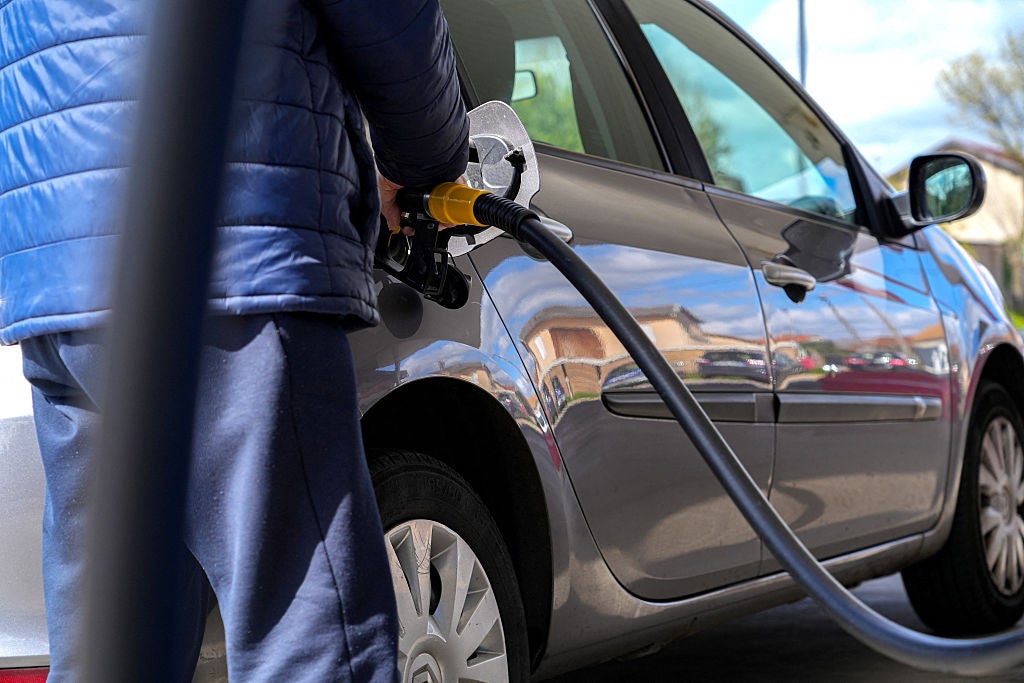
An average tank of petrol is now £13.86 more expensive than it was at the beginning of the war, when it stood at £86.92, the RAC said. A full tank of diesel now costs £26.80 more at £105.11.
The average price of a litre of petrol was 158p on Thursday, while diesel was 191p. That’s up from 133p and 142p as the end of February, just before the US and Israel launched strikes on Iran.
A fall in petrol prices would be a result for those on the lowest incomes, who see the cost of food and fuel eating up larger portions of their pay.
Oil prices are up 35 per cent since 28 February, when the war began. As a result, most countries have seen petrol prices rise, according to the Global Petrol Prices index, with the UK ranking as 72nd on the list.
Cambodia, Vietnam and Nigeria are the three worst-hit nations on petrol costs. Some countries in southeast Asia have implemented fuel-saving measures, such as working from home, four-day weeks and car sharing.
Oil prices fell after the ceasefire was announced and stock markets surged as optimism grew that the conflict could end soon and oil tankers would be able to once again move freely through the Strait of Hormuz. But they rose again on Thursday as some investors bet it wouldn’t hold.
Brent Crude, which serves as the main benchmark for oil prices worldwide, was up 4.6 per cent at $99.11 a barrel on Thursday, following fresh attacks on Lebanon by Israel. But they were still below the $100 level.
US vice-president JD Vance did not help sentiment by referring to it as a “fragile truce” and Donald Trump warned that “bigger, better, and stronger” attacks on Iran would follow if it was breached.
While petrol prices should come down if peace holds, the oil market will take much longer to recover, experts say, even if the key Strait of Hormuz is properly reopened.
Helima Croft, head of global commodity strategy at RBC Capital Markets, said: “Above all, we think the mechanics of reopening the strait will be exceedingly messy, with Iran potentially having a vote on nearly every barrel that exits the waterway until Gulf countries can build more alternative access routes.”
