

DNC faces stress to launch ‘autopsy’ reportedly blaming Gaza for Kamala Harris’s defeat
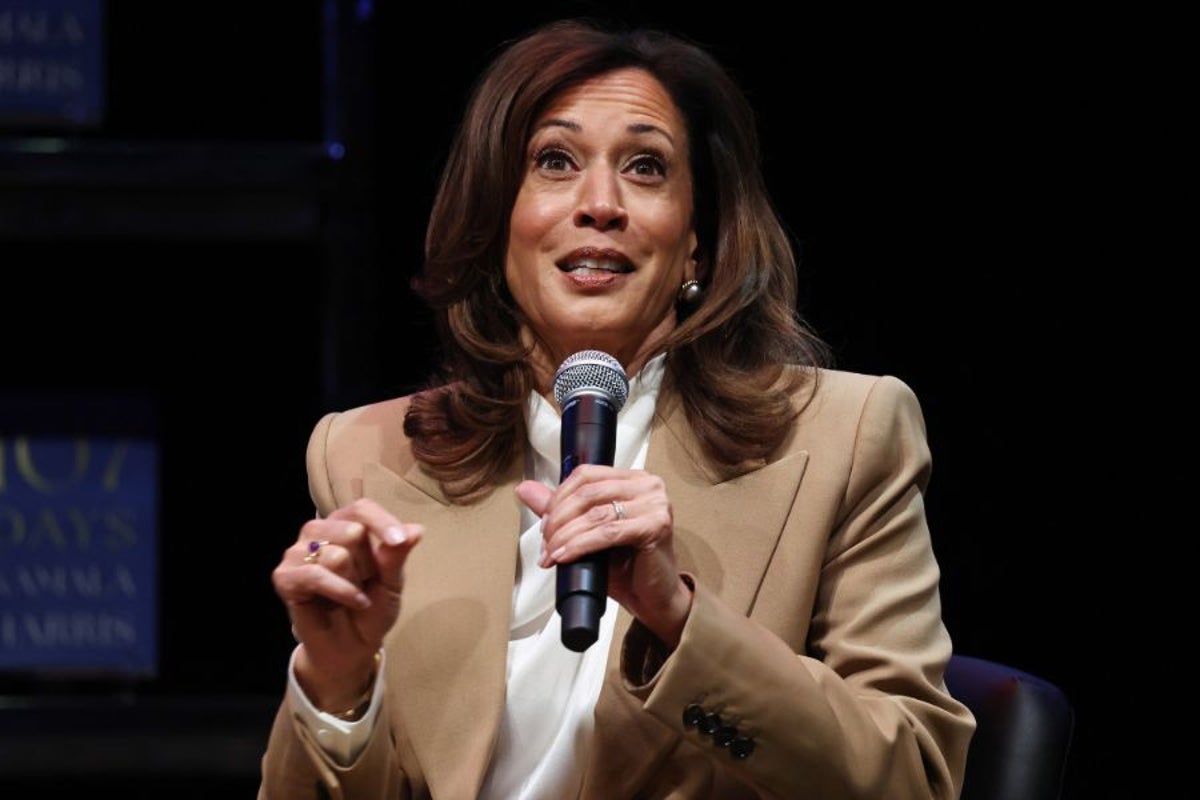
Left-leaning circles on X and other social media sites were ablaze with I-told-you-so’s on Sunday evening and Monday morning after Axios reported that an audit of the Democratic Party’s 2024 defeat conducted by the DNC blamed Joe Biden’s unpopular stance on Gaza for demobilizing Democratic voters.
But the lack of the actual report itself — and the potential for a trickling-out of damaging revelations over the course of weeks, or months — has some members of the party reigniting calls for the entire “autopsy” to be released even after DNC Chair Ken Martin declared that it would be shelved.
The publication of Axios’s report on Sunday was lauded by progressives across social media. The D.C. insider outlet reported that the DNC and a group it consulted with on the party’s 2024 loss, the IMEU Policy Project, attributed significant loss of support for the Democrats among younger voters and progressives due to the Biden administration’s staunch support for Israel.
Prominent progressive voices on social media celebrated the news, which validated months of arguments over Kamala Harris’s defeat. Many in the party, especially those affiliated with the Uncommitted movement, still point to the open disdain with which many felt pro-Palestinian voices were treated in the days and weeks leading up to the summer 2024 Democratic National Convention in Chicago as evidence that party leadership maintained a blind spot on the issue during a crucial election year. Harris herself, in her memoir 107 Days, wrote that former President Joe Biden’s appearance of having issued a “blank check” to Israeli Prime Minister Benjamin Netanyahu hurt her campaign. She also wrote that she pleaded with him to show more empathy for Palestinians, to little avail.
DNC Chair Ken Martin reversed course last year when he said in December that the Democrats would not release the autopsy examining the causes of Harris’s defeat. At the time, the decision was unpopular, but it has largely been overshadowed in early 2026 by recent wins for the party, including in purple and red states, where the party is now rallying to make a comeback in 2026. Generic ballot polling shows the party with a clear advantage heading into the midterms, and a Senate map has turned favorable for the party over the course of the past year.
Axios’s report, however, reawakened calls for Democrats to release the report and have an honest conversation about the party’s stance on Israel, Gaza, dark money and authenticity.
“When you talk to Democratic operatives in DC, privately, every single one admits Gaza is the reason Harris lost. It is universally believed, and nobody will talk about it publicly. Its why the DNC didn’t publish its post-mortem,” tweeted Isi Baehr-Breen, a former deputy communications director for Rep. Ilhan Omar.
Pod Save America co-host Tommy Vietor added: “The DNC should just release this report and get it all out there. The fact that its still secret makes every leak like this worse.”
It would be a conversation that would come at an inconvenient time for Democrats. There may not be a convenient time, however.
Talk about the 2028 presidential primary will almost certainly ramp up in November following this year’s midterm elections. Already, key figures within the party are aligning themselves as contenders in the primary, including the party’s eventual 2024 standard-bearer, Kamala Harris. The former vice president, speaking with a teenage influencer in an interview this month, pointedly put her focus on the midterm elections (in which she is not running) and refused to speculate about the future, a sign she’s positioning herself for a shot at leadership.
Others like California Gov. Gavin Newsom are taking more and more high-profile roles as voices in the Democratic Party and broader left as 2028 approaches, with a similar careful hesitance to announce intentions before the midterms.
The party is stuck between a rock and a hard place. The best time to discuss Harris’s defeat would have been in the immediate aftermath, as Democrats weren’t preoccupied with a looming electoral challenge. Having missed that window, the now DNC risks being distracted from efforts to take back the House and Senate or blunting their party’s momentum by opening up an intensive debate about Israel in the middle of 2026.
It’s impossible to say, two years out, what will be the defining issues around which the next Democratic presidential primary is fought. In two of the past three cycles, the party’s unwillingness to resolve deep divides between the party’s own base and its elected leaders has led to embarrassing defeats for the party’s biggest stars.
The alternative could be having the conversation over the backdrop of the 2028 primary, however, which carries another risk: Sparking a vitriolic primary that leaves one or more leading Democrats damaged heading into the remainder of the election season. The trauma of the 2016 primary, which created scars that still haven’t healed in the party, is still raw for many Democrats and is thought to be a key reason why party figures rallied quickly behind Harris after Biden’s withdrawal in 2024.
For those Democrats eyeing 2028, this year could be a time for them to outline their own stances on campaign issues — like accepting money from AIPAC, a major pro-Israel lobby — that will define them and the party’s boundaries going forward. The alternative is almost certainly hashing out this debate in front of the cameras on the debate stage, when there’s much more on the line.
Source: independent.co.uk
