

Belarus opposition determine urges EU dialogue with Lukashenko
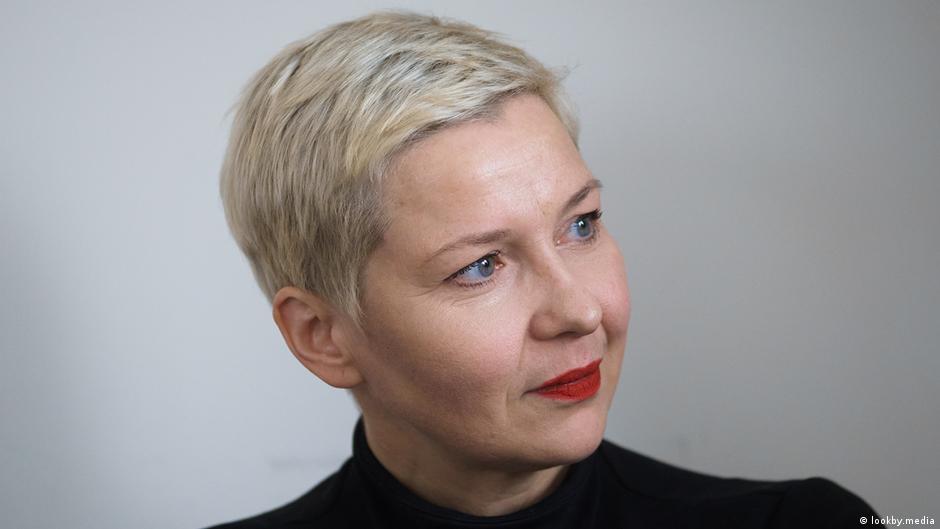
Belarusian opposition politician Maria Kolesnikova called on European politicians to engage in dialogue with Belarusian ruler Alexander Lukashenko and resume diplomatic initiatives.
Kolesnikova told DW that the European Union had significant leverage over Lukashenko, who she described as the ultimate decision-maker in Belarus.
Why would the EU talk to Lukashenko?
The opposition figure, who was released from prison in Belarus in mid-December, said Brussel should have several goals in engaging with the Belarusian leader:
- The release of all political prisoners
- Guarantees that freed detainees can choose freely where to live
- A complete halt to repression in Belarus
- An end to Belarus’s internal and external isolation
Kolesnikova didn’t give a clear answer as to why authorities in Minsk would agree to such terms. In her view, the first step should be to ask Lukashenko what he wants from the European Union.
“We fully understand that Lukashenko is the one making all the decisions about what is happening in Belarus today. That is precisely why we must talk to him.”
She defended the idea of talking to someone commonly referred to as “Europe’s last dictator.”
“You can criticize me as much as you like. But perhaps you should speak to the families of political prisoners whose loved ones have been behind bars for more than five years — look them in the eye. If people can be saved, they must be saved.”
Since Kolesnikova’s release, German authorities granted her political asylum and invited her to Germany, where she now lives.
Kolesnikova rejects blame for 2020 arrests
Kolesnikova said she did not feel guilty about the thousands of protesters who were jailed after the 2020 demonstrations she helped lead.
She said it was convenient to make her and others scapegoats but stressed that they did not order the dispersal of peaceful protests, beatings, mass imprisonments, expulsions from Belarus, or years of continued repression.
Instead, the 43-year-old said those who carried out those actions bear responsibility.
Kolesnikova said it was crucial not to fall for provocations, not to turn on one another, and to avoid internal conflict within the Belarusian opposition. She added that Belarusians share one country and that those in exile want to return home.
At the same time, she acknowledged that holding those responsible for the repression to account remained a distant prospect.
Edited by: Saim Dušan Inayatullah
