

AIPAC’s Donors Seem To Have A Favorite Candidate In A Key Democratic Primary
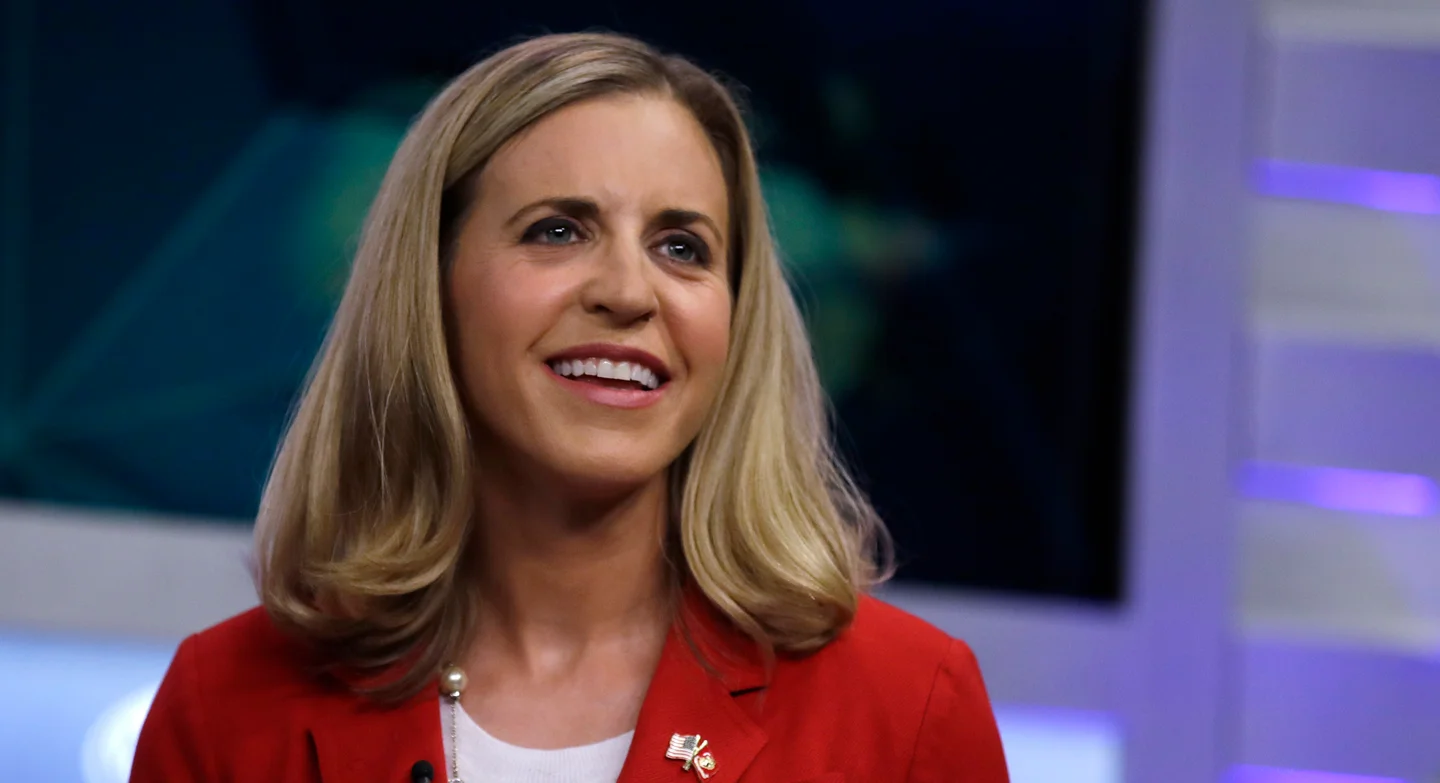
A leading Democratic candidate for an open U.S. House seat in New Hampshire has received 150 donations from people who have also given to AIPAC or its affiliated super PAC — a remarkable total as Democrats distance themselves from the lobbying group, which has sought to hide its influence in recent Democratic primaries.
AIPAC has not endorsed Maura Sullivan, a Marine veteran and former Pentagon official who is running for New Hampshire’s 1st District. Sullivan is considered a top contender in the Sept. 8 primary, alongside Stefany Shaheen, a former Portsmouth City Councilor and the daughter of retiring Sen. Jeanne Shaheen.
The two candidates have staked out similar positions on Israel, with both declining to label the country’s assault on Gaza a “genocide” while harshly criticizing Israeli Prime Minister Benjamin Netanyahu and arguing for a two-state solution in the region.
Shaheen, however, has received far less from AIPAC-linked donors. Only nine who have given to the group have also donated to her, per a HuffPost review of Federal Election Commission records, for a total of $23,150. Sullivan has received more than $296,000 from similar donors, close to one-tenth of the more than $3 million she’s raised for her campaign thus far.
Sullivan’s campaign has downplayed the donations and suggested they are not related to the candidate’s stance on Israel policy, noting many people who have given to both groups are personal friends of Sullivan or her husband, or have given to a plethora of other Democrats, including some who are publicly skeptical of AIPAC’s influence.
“Maura has not received any money from AIPAC and would not accept its endorsement if offered. Maura stands firmly with the Israeli people, but she is deeply upset by Netanyahu’s conduct throughout this war,” said Emmett Avery, a spokesman for Sullivan. “She believes there is a full-blown humanitarian crisis in Gaza because of his actions. The Netanyahu government’s assault on Gaza and illegal settlement activities in the West Bank necessitate a full reevaluation of the U.S.–Israel security relationship. There can no longer be a blank check for offensive weapons to Israel.”
“The 700,000 people of New Hampshire’s First District will always be Maura’s north star on foreign policy and every other issue,” Avery continued. “If elected, Maura will push for peace in the region and a two-state solution so both the Palestinian and Israeli people can live in safety and security.”
But it’s also clear someone working on the race views the donations as a potential liability: HuffPost obtained screenshots of a poll being conducted in New Hampshire, with which a candidate or outside group is testing messaging about the donations.
The poll asks respondents which message they find more convincing before presenting both sides of a theoretical debate over the donations.
“Opponents of Maura Sullivan say Sullivan is in AIPAC’s pocket,” reads the first option. “Sullivan has raised $300,000 from her pro-Israel lobbying friends and AIPAC donors, more than she’s gotten from New Hampshire residents.”
The second option begins: “Supporters of Maura Sullivan say Sullivan has never taken a dime from AIPAC. Here’s the truth: As a former Marine who was stationed in combat zones in the Middle East, Maura Sullivan knows the cost of war.”
Support for Israel has not generally been a top issue in the race, with a handful of more progressive candidates who have trailed Sullivan and Shaheen in polling and fundraising taking stronger positions against arming the Israeli government.
Israel’s assault on Gaza in response to the Oct. 7 massacre has profoundly reshaped the relationship between the country and the Democratic Party. Polling shows Democratic voters have grown intensely skeptical of the country and AIPAC’s influence, with party elites following suit. More than 100 House Democrats voted to cut off all aid to Israel earlier this summer.
Shaheen has said she would’ve supported that effort, which was a vote on an amendment sponsored by Rep. Thomas Massie (R-Ky.). Sullivan has not taken a position on the amendment.
“Stefany is proud to have three times more New Hampshire contributors than any other candidate,” Shaheen campaign manager Emma Greenberg said. “The fact that Maura Sullivan has taken more money from AIPAC than she’s raised in New Hampshire, makes it clear she isn’t being honest about her relationship with them. Stefany is not beholden to AIPAC, unlike Maura she supported the Massie amendment to stop sending endless weapons to Netanyahu because she knows change is critical.”
The strained relationship has led AIPAC to attempt to hide its influence in Democratic electoral politics, for example, by donating to seemingly unrelated super PACs to hide its role in primaries in Oregon and Illinois.
Shaheen, for her part, is not free of AIPAC ties. Her mother, the top Democrat on the Senate Foreign Relations Committee, has long touted the group’s endorsement. The younger Shaheen has also received a $2,000 donation from Norman Brownstein, the founder of law and lobbying giant Brownstein Hyatt Farber Schreck and a longtime AIPAC vice president.
And a super PAC that has spent almost $750,000 in support of Shaheen’s campaign, Article One PAC, is part of a joint fundraising committee that received a $345,000 donation from Jane Street Capital co-founder Robert Granieri, who has also given millions to pro-Israel causes.
Article One, however, has also supported other candidates, including giving a $350,000 boost to pro-Israel candidate Tahesha Way in a congressional special election in New Jersey earlier this year.
The seat is open because incumbent Rep. Chris Pappas is running for Senate. Democrats are favored to hold the seat regardless of who wins the primary, though it is not overwhelmingly Democratic: Former Vice President Kamala Harris won it by just two percentage points in 2024.
Public polling of the race has been relatively scarce, but a late June poll from St. Anselm College found Shaheen leading Sullivan by a 22% to 15% margin, with a whopping 47% of voters undecided.
