

Feds sacrifice uncommon fish in Colorado River to save lots of energy for tens of millions
Federal officials announced Thursday they will not release cool water from one of the Colorado River’s primary reservoirs this year, a decision that prioritizes struggling hydropower production over the protection of a threatened native fish downstream.
The move highlights the escalating conflict between environmental conservation and energy demands as the river’s resources diminish.
The Bureau of Reclamation informed various groups via email that water from Glen Canyon Dam in northern Arizona would not be released “due to significant hydropower generation concerns under already strained system conditions.”
This decision comes as the Colorado River and its once-vast reservoirs continue to shrink, a consequence of overuse and the impacts of climate change, forcing officials to weigh the survival of the humpback chub against the electricity costs for consumers.
The announcement follows the worst snowpack on record for the Colorado River Basin, a vital resource for over 40 million people across seven U.S. states, tribal nations, and Mexico, supporting farmers, industries, wildlife, and hydropower.
It also comes just a week after federal officials unveiled a proposal aimed at averting a deeper crisis in the beleaguered waterway, after states reliant on the river failed to reach a long-term agreement on sharing the dwindling resource. The federal plan proposes water cuts for California, Nevada, and Arizona.
A “cool mix flow” involves releasing cold water from deep within a reservoir, in this instance Lake Powell, to lower the temperature of the river below. This process bypasses hydropower turbines located in the cooler, deeper sections, resulting in a significant loss of power generation.
Lake Powell itself is currently only 23% full, a stark indicator of decades of overuse and increased evaporation due to rising average temperatures. With such low reservoir levels, warmer surface water is drawn through the generators and sent downstream.
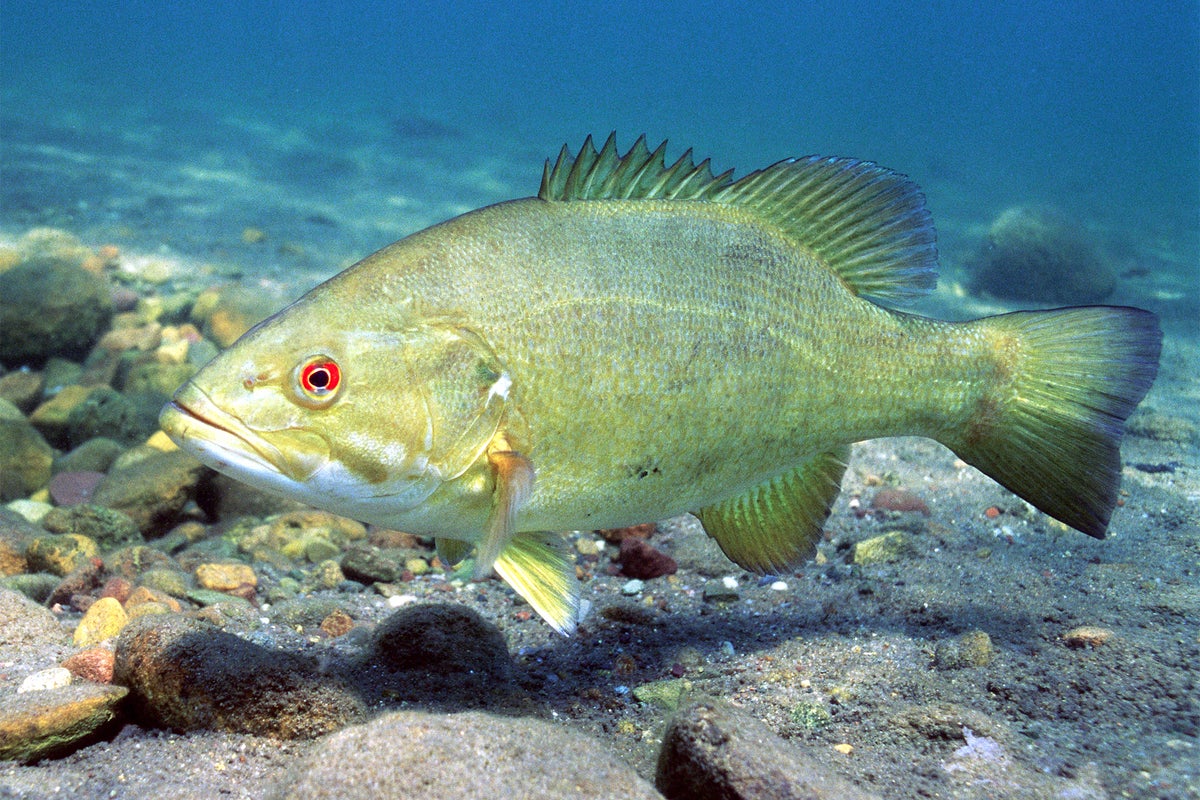
This warm water poses a direct threat to the humpback chub. Smallmouth bass, introduced to Lake Powell in the 1980s for sport fishing, thrive in these warmer surface waters.
They are also drawn through the hydropower generators and into the river below, where they can spawn if temperatures are sufficiently high, preying on the federally protected humpback chub and other native fish.
While cool water releases from Lake Powell in 2024 and 2025 successfully prevented smallmouth bass spawning, the river downstream of the dam is currently around 69 degrees Fahrenheit (20.5 degrees Celsius).
The Bureau typically considers recommending cold water releases when the average daily temperature exceeds approximately 60 F (15.5 C) for three consecutive days, a threshold that has been surpassed for over a month.
Wayne G. Pullan, the agency’s regional director of the Upper Colorado Basin, stated in the email, “Our efforts this year will continue to focus on expanded rapid response removal actions, additional backwater modifications, evaluation of innovative tools, and advancement of durable structural solutions.”
Matt Rice, director for the southwest region of the conservation group American Rivers, expressed disappointment, though not surprise, at the decision. “We’ve proven that the cool mix flows are the most effective way to mitigate the smallmouth bass invasion in the Grand Canyon,” he said.
“Hopefully it’s not a death sentence to humpback chub.” He also highlighted the elevated temperatures as a life-threatening risk for the nearby rainbow trout fishery, advocating for collaborative and innovative solutions that balance environmental protection with the needs of those reliant on the river for power.
Conversely, utilities that purchase hydropower from Glen Canyon Dam welcomed the decision. They argued that cool water releases would have necessitated spending millions of dollars on more costly and potentially less renewable alternative energy, likely leading to increased electricity bills for customers.
Andy Colosimo, executive director of the Colorado River Energy Distributors Association, which represents 155 customers of federal hydropower, commented, “We’re very pleased with the decision and appreciate Reclamation’s deliberate and thoughtful approach to this, just recognizing the challenges that we’re facing on the river. I think this was the right call, given the conditions that we’re all facing.”
Source: independent.co.uk
